In short
- Snorkel trips cost $70 to $120 and cover shallow reefs like Granito de Oro.
- Scuba diving accesses deeper areas for pelagic encounters with hammerhead sharks.
- Both activities offer a chance to see turtles, white-tip reef sharks, and whale sharks.
In this article
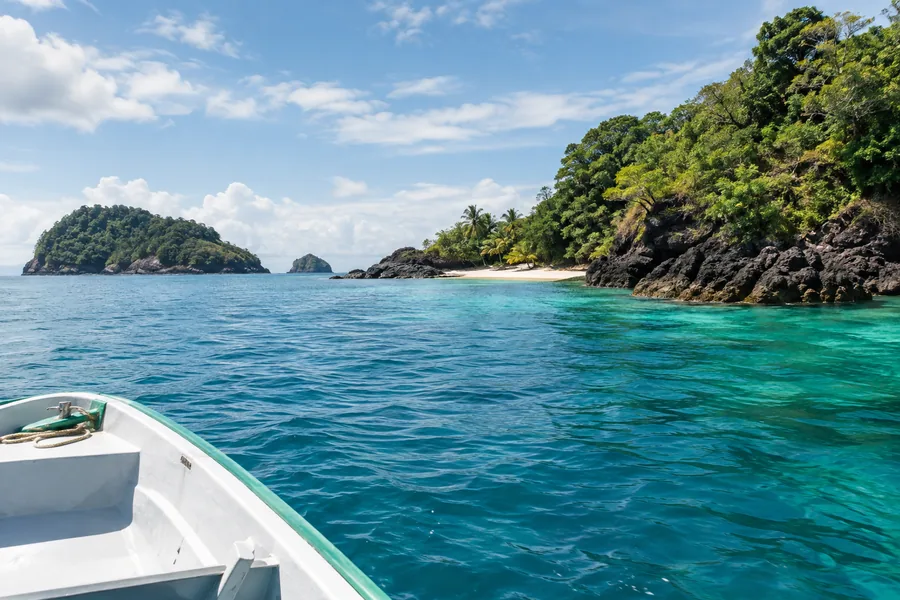
The 1,700-hectare coral reefs in Coiba National Park support over 33 shark species, sea turtles, and large schools of fish. Your choice between a snorkel mask and a scuba tank depends on your certification and budget. Coiba Wildlife Guide details the specific marine life you might encounter.
What to expect on a Coiba snorkeling tour?
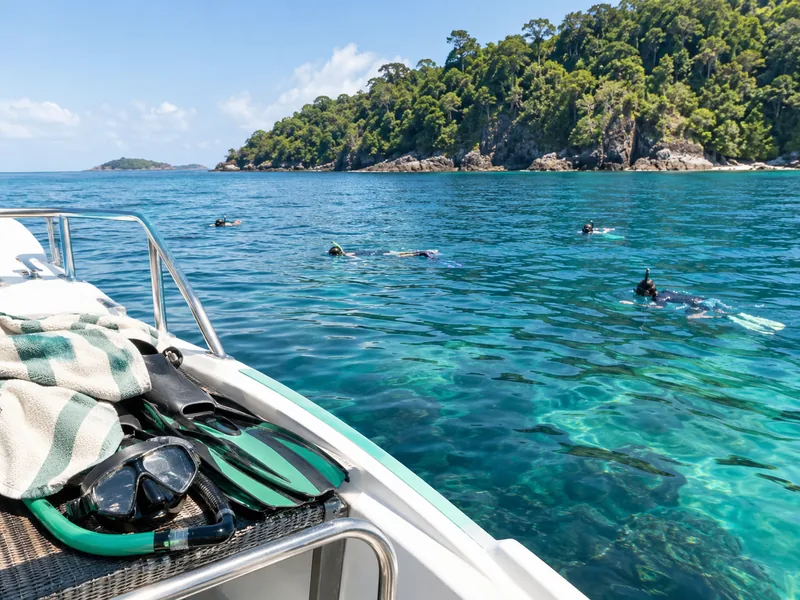
Shared full-day snorkeling trips cost between $70 and $120 per person and require no certification.
Snorkelers explore shallow coral formations at sites like Granito de Oro and Isla Canales de Afuera. You can easily spot sea turtles, white-tip reef sharks, and tropical fish near the surface. Currents can be strong, so visitors must stay close to their licensed guide.
What does scuba diving in Coiba offer?
Scuba diving allows certified divers to reach deeper waters for pelagic encounters.
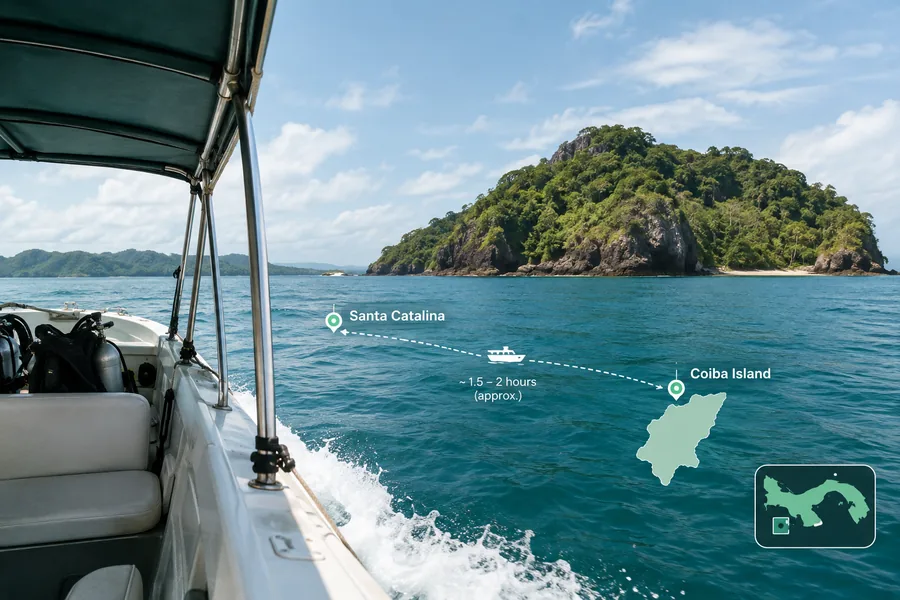
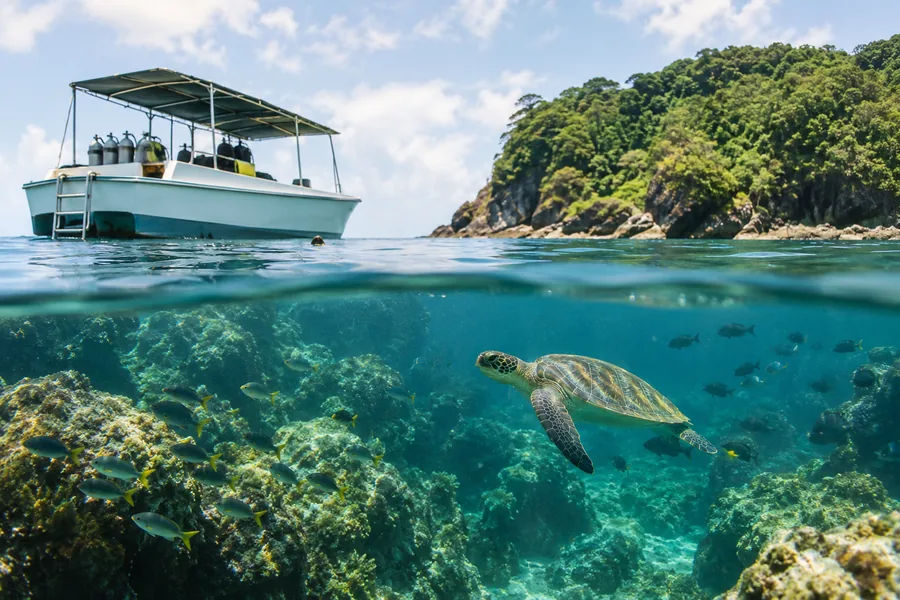
Dive trips operate from Santa Catalina and target deeper seamounts and the massive Bahia Damas reef system. These sites provide a higher chance of seeing large pelagic species. Divers often encounter hammerhead sharks and large schools of fish. Water visibility peaks during the dry season from December to April.
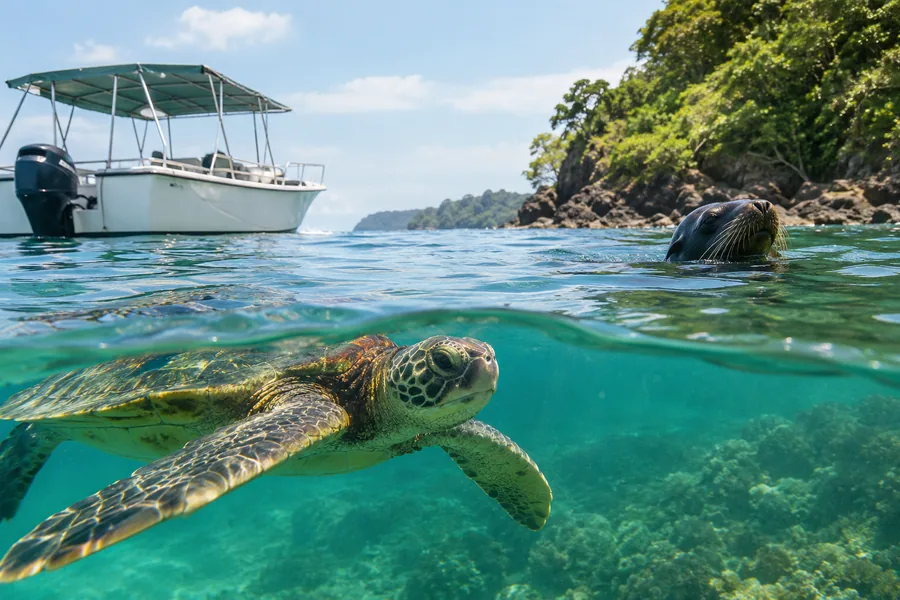
Coiba snorkeling vs scuba diving comparison
Snorkeling is accessible and cheaper, while scuba diving offers deeper exploration for certified divers.
Both activities require a boat trip from Santa Catalina and payment of the $20 park entrance fee for foreigners. Choose snorkeling for an easy, full-day family activity. Choose scuba diving if you want to explore the 135-hectare Bahia Damas Reef at depth.
Which option is best for whale shark sightings?
Both snorkelers and divers can spot whale sharks in Coiba's waters.
Whale sharks feed near the surface, so snorkelers have a good chance of swimming with them when they pass through the park. Scuba divers might also see them descending or cruising near deeper reefs.
Do you need a guide for snorkeling or diving?
Yes, all visitors must remain with a licensed guide.
Independent water activities are not allowed. You must book a tour through an operator in Santa Catalina. This rule protects both you and the delicate coral reef systems.
What is the best time of year for water activities?
The dry season provides the best visibility for both snorkeling and diving.
Visit between December and April for calmer seas and clear water. If you visit during the green season (July to October), you have a better chance of spotting humpback whales from the boat.
Questions travellers ask
Can I do both snorkeling and diving on a Coiba trip?
Most daily group trips focus on one specific activity. You would need to book a specialized private charter or a multi-day expedition to combine both on the same boat ride.
Is reef-safe sunscreen required for Coiba?
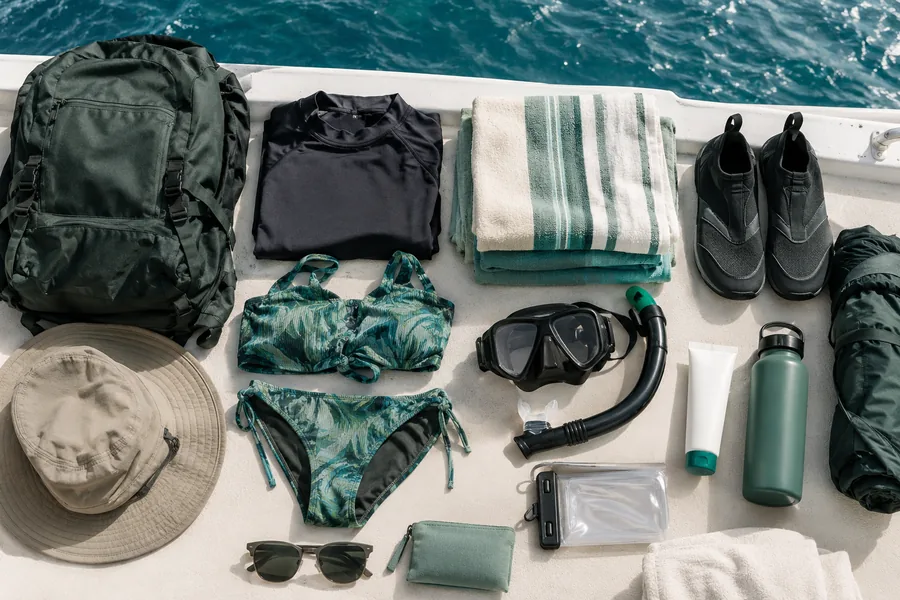
Yes, packing reef-safe sunscreen is necessary to protect the 1,700 hectares of delicate coral systems from chemical damage.
How long does it take to reach the dive and snorkel sites?
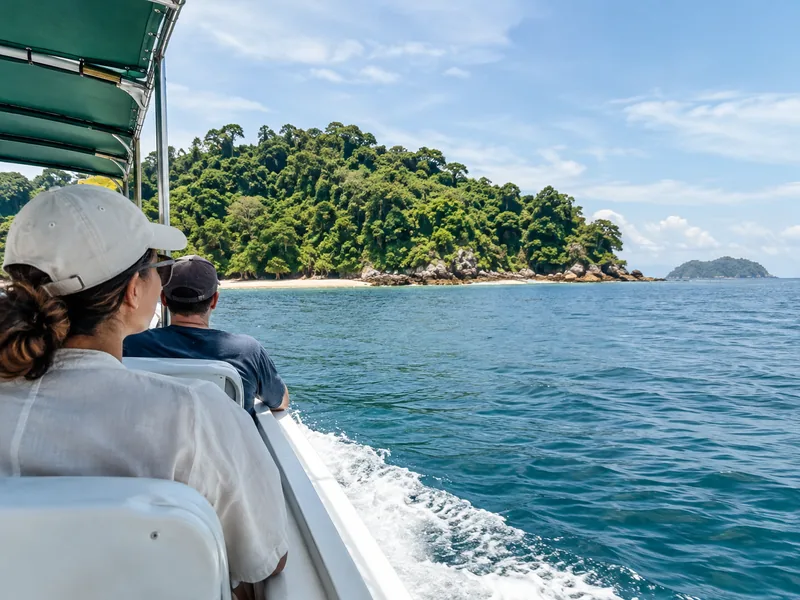
The speedboat ride from Santa Catalina to the islands of Coiba National Park takes approximately 1 to 1.5 hours.